Trails Are More Than Recreation
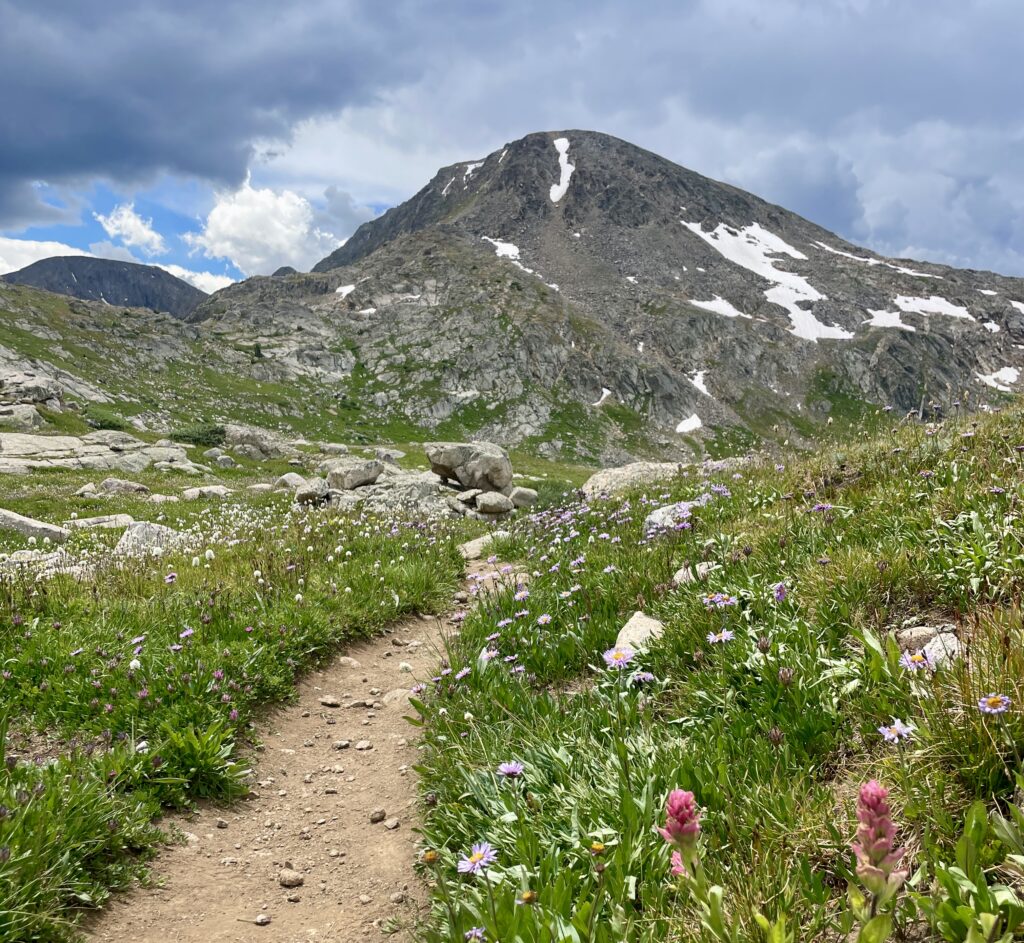
Last week, I went for a trail run on East Lake Creek. It felt great to be in Wilderness, moving along the traversing trail through a beautiful aspen stand with birds singing as happy as can be and lupines and larkspur just starting to bloom. The sound of the creek was relaxing and soothing, and as the trail climbed into a classic Colorado pine forest, everything became quiet except for the sound of my feet on the pine needle littered dirt trail. By the time I turned around, I felt different. Not because anything big had happened, but because time on the trail had done what it so often does. It helped me reset. That is the quiet power of trails.
At the Vail Valley Mountain Trails Alliance, we often say that trails are more than lines on a map. They support health, connection, stewardship, community, and joy. They help shape who we are as a valley and what we value, and they connect us to nature, to each other, and to the land we are lucky to be surrounded by every day.
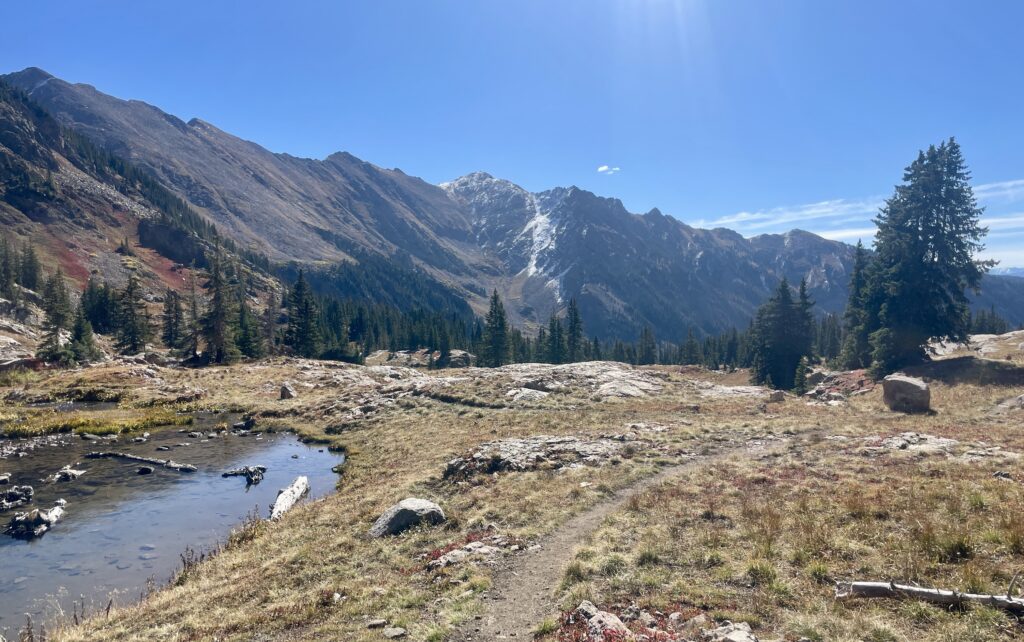
For many of us, trails are one of the main reasons we live here. We are drawn to Eagle County by the mountains, rivers, forests, open spaces, and the chance to live active lives outside. We may come from different backgrounds, work in different jobs, speak different languages, or enjoy trails in different ways, but once we are out there, we share common ground.
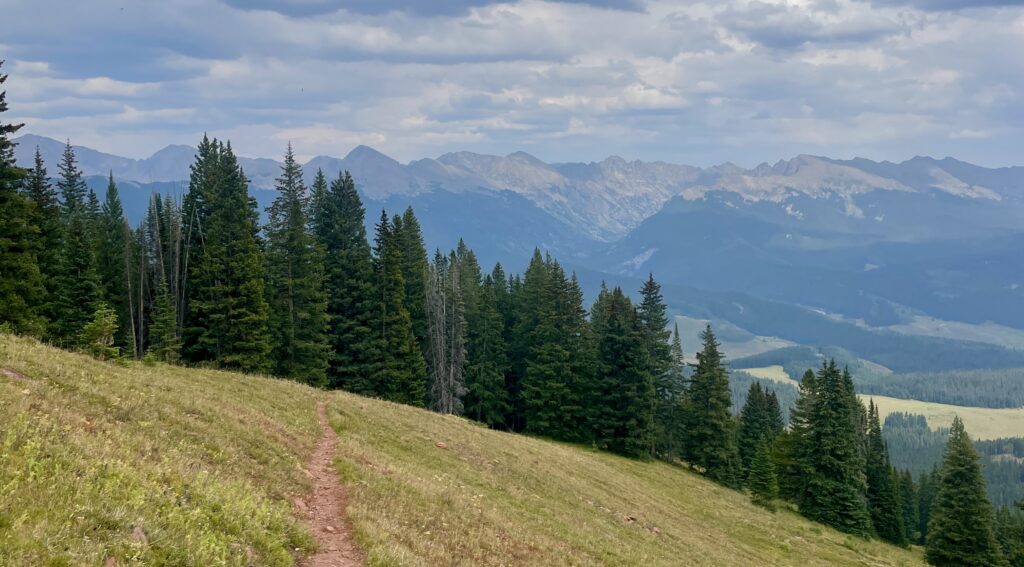
Anyone who has walked through the aspens on Meadow Mountain, watched the evening light hit the Gore Range from the North Trail, or listened to the sound of spring runoff moving down Game Creek knows that trails connect us to nature in a real and direct way. In a world filled with screens, busy schedules, and constant demands for our attention, trails give us something we all need more of. They give us time to be present and to notice the simple feeling of being outside.
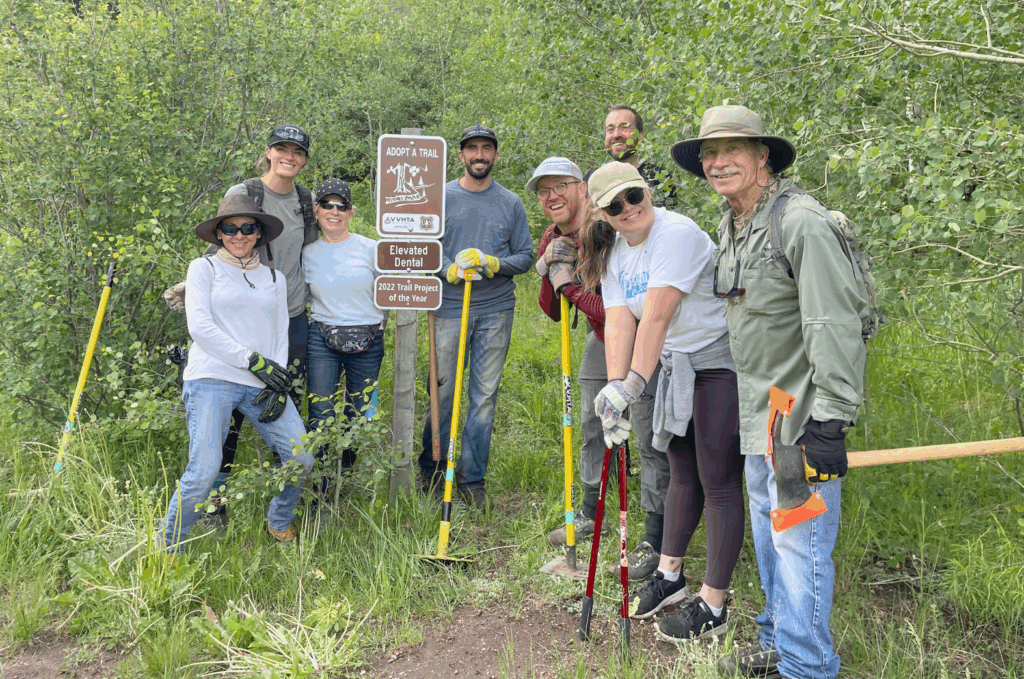
Trails also inspire stewardship. I see this all the time on volunteer trail days, when people show up not because they have to, but because they care about a place. Someone may arrive thinking they are just going to move dirt for a few hours, but by the end of the day they understand drainage, erosion, sightlines, and how much care it takes to keep a trail open and sustainable.
People protect what they know and love. When someone spends time caring for a trail, they begin to see that these places do not take care of themselves. Sustainable trails require planning, maintenance, education, volunteers, funding, and a shared ethic of respect. Every muddy shortcut avoided, every piece of trash picked up, every dog leashed when required, every volunteer hour given, and every donation made helps protect both the trail experience and the landscape around it.
Trails also create social connection. I was reminded of this on a mountain bike ride not long ago when I ran into a friend I had not seen in months. What started as a quick hello turned into 15 minutes of catching up about family, work, travel, and life. We eventually kept riding, but that small conversation stayed with me. A wave, a smile, a quick hello, or a conversation at the trailhead may seem small, but those small interactions add up over time. They build trust and they build belonging.
Trails help build healthier communities too. For years, I thought about my runs, hikes, and rides mostly as exercise. Over time, I realized they were doing much more than helping me stay fit. They gave me space to think clearly, manage stress, and stay grounded in a busy life. We all know that walking, running, biking, hiking, and riding are good for our bodies, but the benefits go well beyond movement. Trails give us places to breathe, connect, solve problems, let go of stress, and return home a little better than when we left.
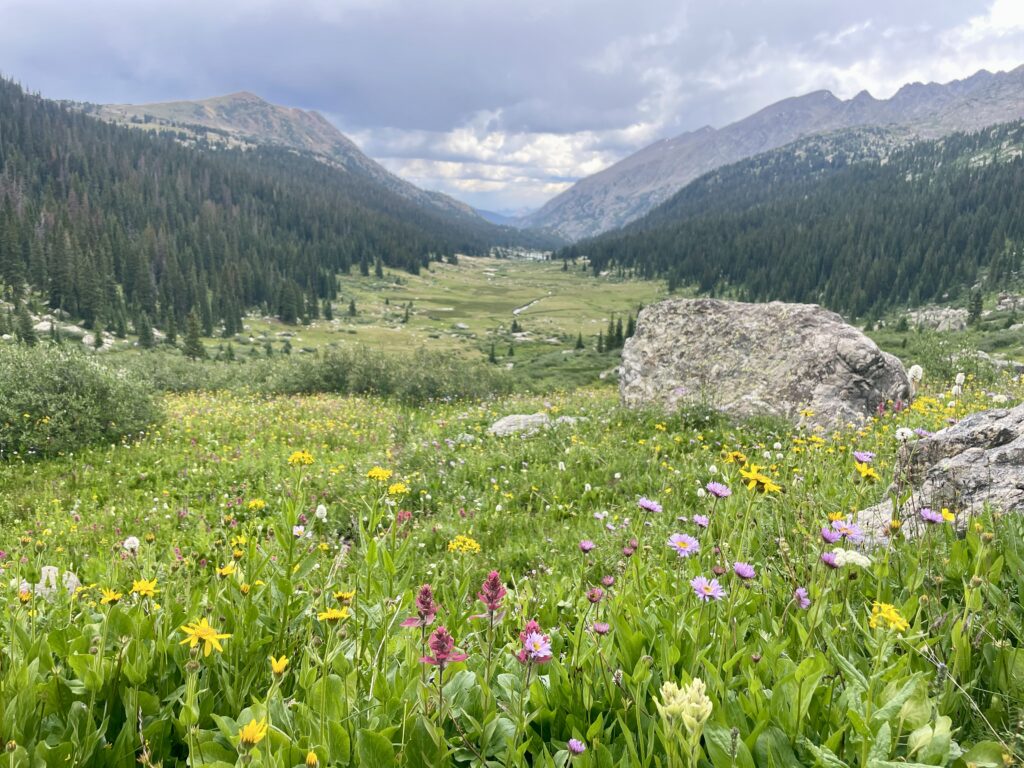
Trails are also tied to our local economy. Outdoor recreation supports restaurants, shops, lodging, outfitters, guides, events, and many other local businesses. Our public lands and trail systems are part of what make our community a world class place to visit and an extraordinary place to live. But with that opportunity comes responsibility. More use means more impact. If we benefit from trails, we also need to invest in them. That investment cannot fall on one organization, one land manager, or one group of volunteers alone. It takes land managers, towns, counties, businesses, residents, visitors, donors, advocates, and trail users working together to care for the resource that supports so much of our community life.
And if trails are central to who we are, then access matters. Everyone in our community should have the chance to experience the benefits of time outside. Access is not just about whether a trail exists. It is about whether someone knows where to go, has a way to get there, feels safe and welcome, understands the etiquette, and has the gear or confidence to participate. That is part of why programs like Soul Dirt matter. They help create entry points for people who may not otherwise see themselves as part of the trail community.
And trails are simply fun. They are laughter on a group hike, high fives after a climb, friends making plans for the next adventure, and the satisfaction of reaching a favorite view. In a world that can feel heavy, trails give us joy, and that joy is worth protecting.
As our valley grows and outdoor recreation continues to increase, we have an opportunity to decide what kind of trail community we want to be. We can treat trails as amenities that simply exist in the background, or we can recognize them as essential community infrastructure that supports our health, economy, environment, and sense of belonging.
At the VVMTA, we believe the choice is clear. When we invest in trails, we invest in people, public lands, local businesses, and the next generation of stewards. We invest in the fabric of our community. The next time you step onto a trail, take a moment to look around. Notice not only where the trail takes you, but how it can help build a healthier life, a stronger connection to place, a deeper appreciation for the land, and a more connected community.
We can all be part of that future by giving back, whether we volunteer, practice responsible recreation, respect seasonal closures, donate to trail stewardship and conservation efforts, advocate for sustainable funding, or invite someone new to join us outside. Trails are more than recreation because they are part of who we are, and they are one of the best tools we have for building the healthy, connected, resilient community we all want to call home.