How VVMTA’s Trails and Stewardship Crew Cares for the Lands We Love
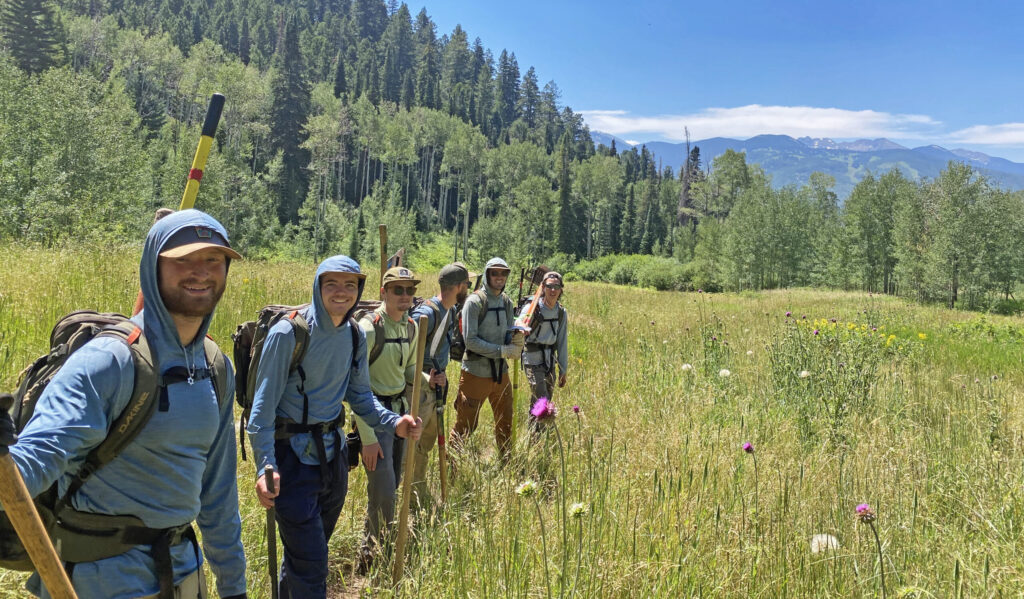
On a Tuesday in June, VVMTA’s Trails and Stewardship Crew splits in two. Half the team is clearing downed trees on Cougar Ridge. The other half is two days into a river and campsite restoration project at Windy Point on the Upper Colorado River, removing trash, noxious weeds, and fire rings. Same crew, same day, two different jobs that both come down to the same thing: taking care of the land.
That is the Vail Valley Mountain Trails Alliance (VVMTA) Trails and Stewardship Crew in 2026. It builds bridges and reroutes trails, the work that built its reputation in the first place. It also patrols public lands, rehabilitates damaged campsites, posts fire restriction signage, and pulls trash out of river corridors. It does not stop at the trailhead, because the places people love do not stop there either.
Where the Reputation Was Built
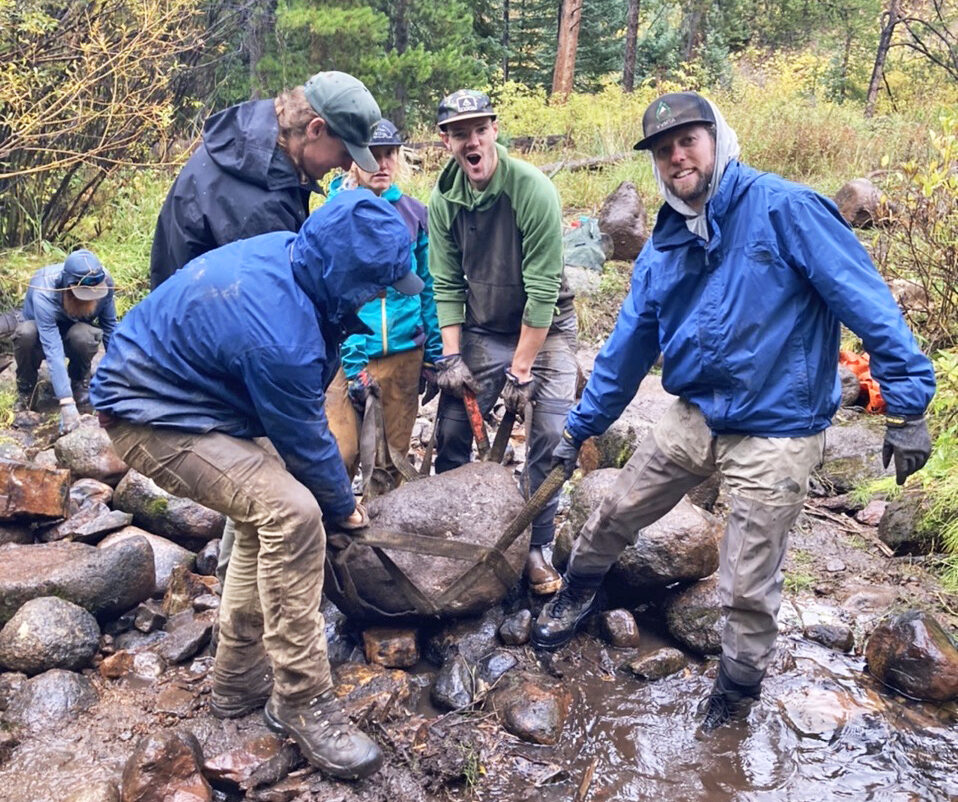
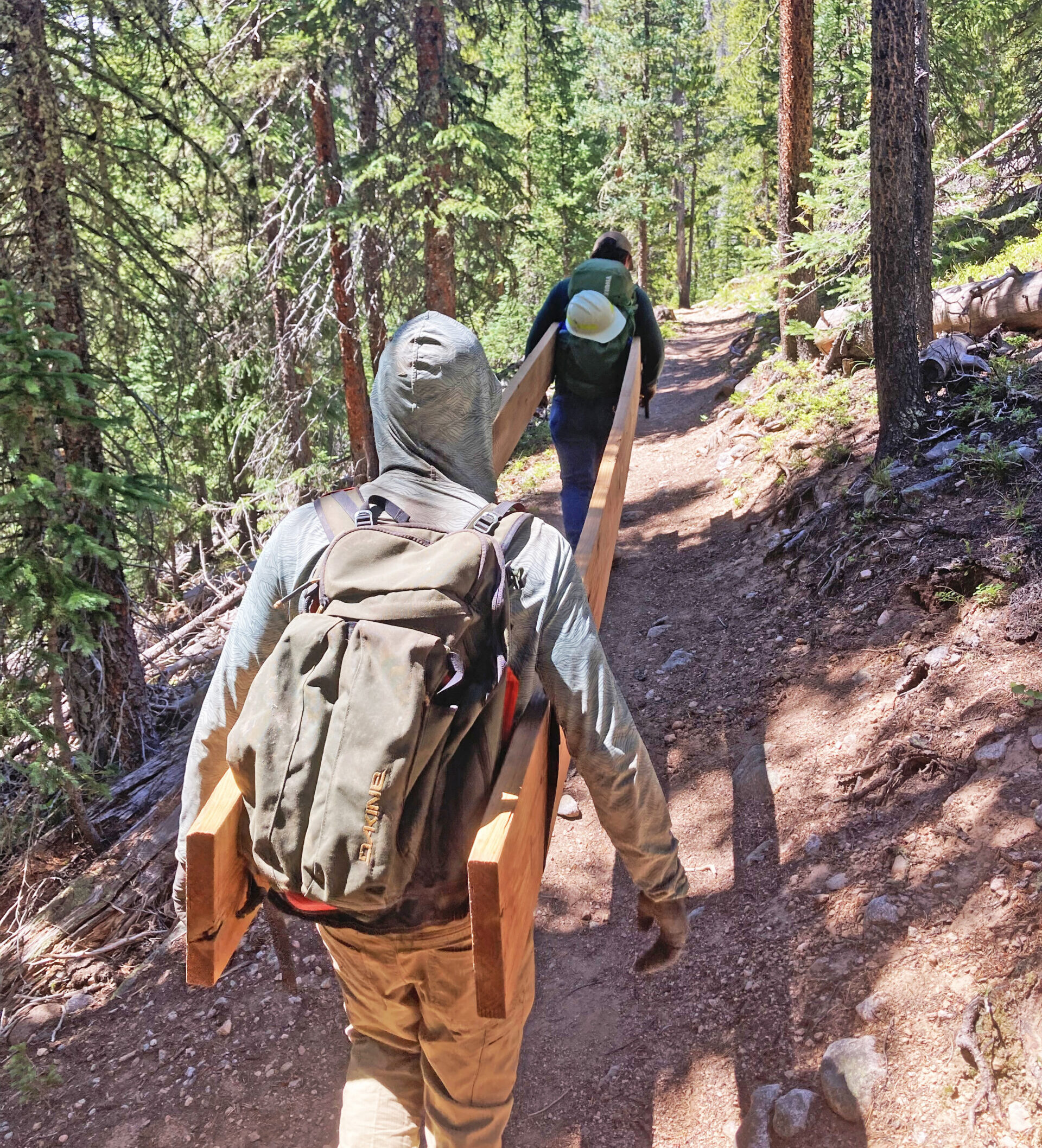
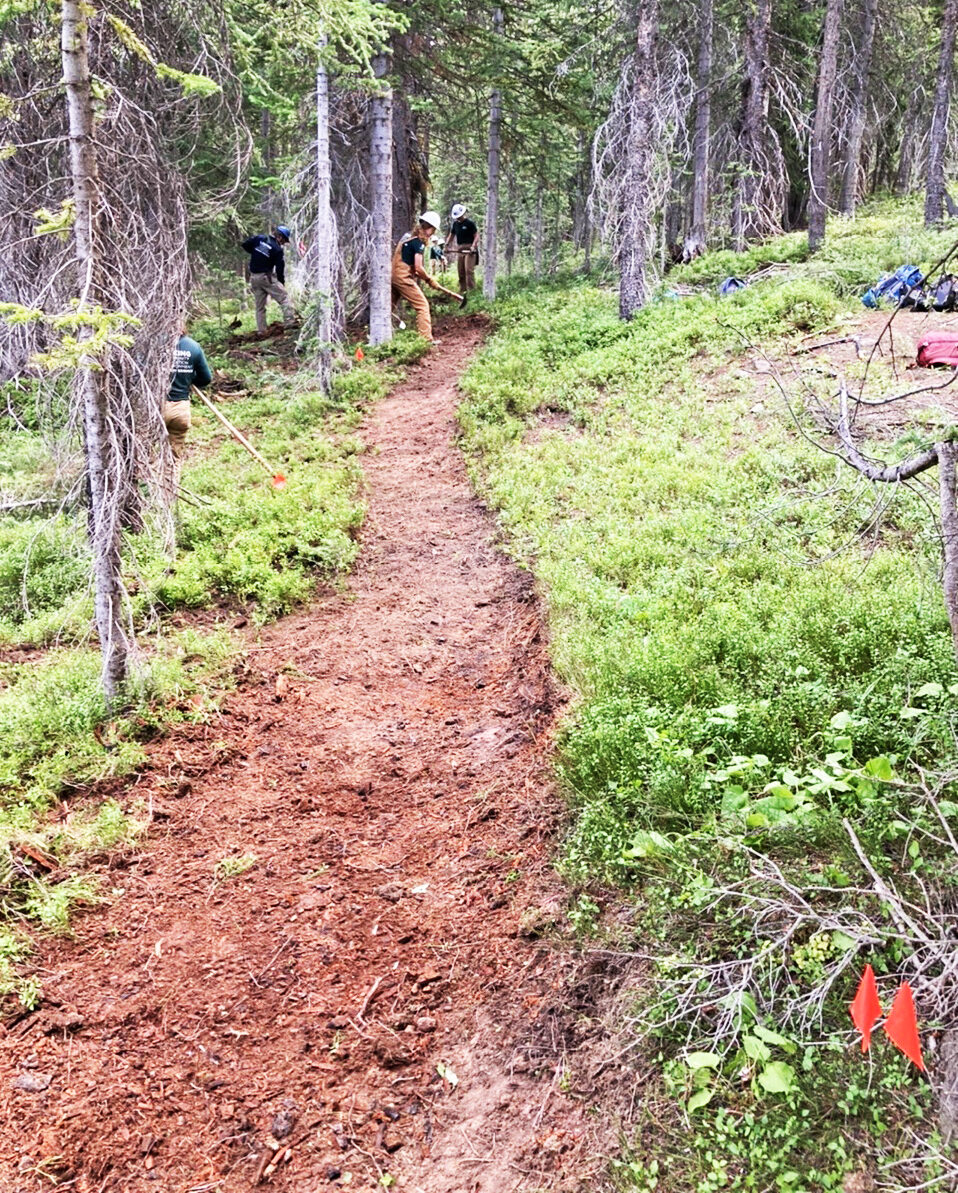
For years, VVMTA’s crew has taken on some of the most important trail projects in Eagle County, including reroutes and construction on Game Creek, Colorado Trail, Mill Creek, Abrams Gulch, Full Nelson, and many more. The crew has also built six bridges to date, including projects at Lost Lake and Paulie’s Plunge, cleared more than 4,500 downed trees, and taken on critical trail maintenance, corridor work, and trailhead and trail signage installation. This is the kind of work that shapes how people actually move through the landscape. That work is not stopping.
That work protects water and wildlife habitat, makes trails hold up under heavier use, and creates better experiences for hikers, runners, mountain bikers, horseback riders, and everyone else who uses Eagle County’s trail system.
Why the Work Outgrew the Trail Corridor
More than 80% of Eagle County is public land, much of it inside the White River National Forest, the busiest national forest in the country. Visits to the forest grew from around 10 million in 2011 to roughly 18 million by 2022, including nearly 7 million summer visits. Over that same stretch, the forest’s budget dropped from about $30 million in 2009 to $18 million in 2023. More people are showing up and fewer resources are there to care for where they go.
That gap shows up across every jurisdiction in the valley, not just the Forest Service:
- U.S. Forest Service (USFS) staff and seasonal crews have been reduced, slowing response to deferred maintenance and recreation impacts
- The local Bureau of Land Management (BLM) office has only two recreation staff covering the 567,000-acre Colorado River Valley Field Office
- The Town of Eagle has 1.5 open space staff positions, and several valley towns have no open space department at all
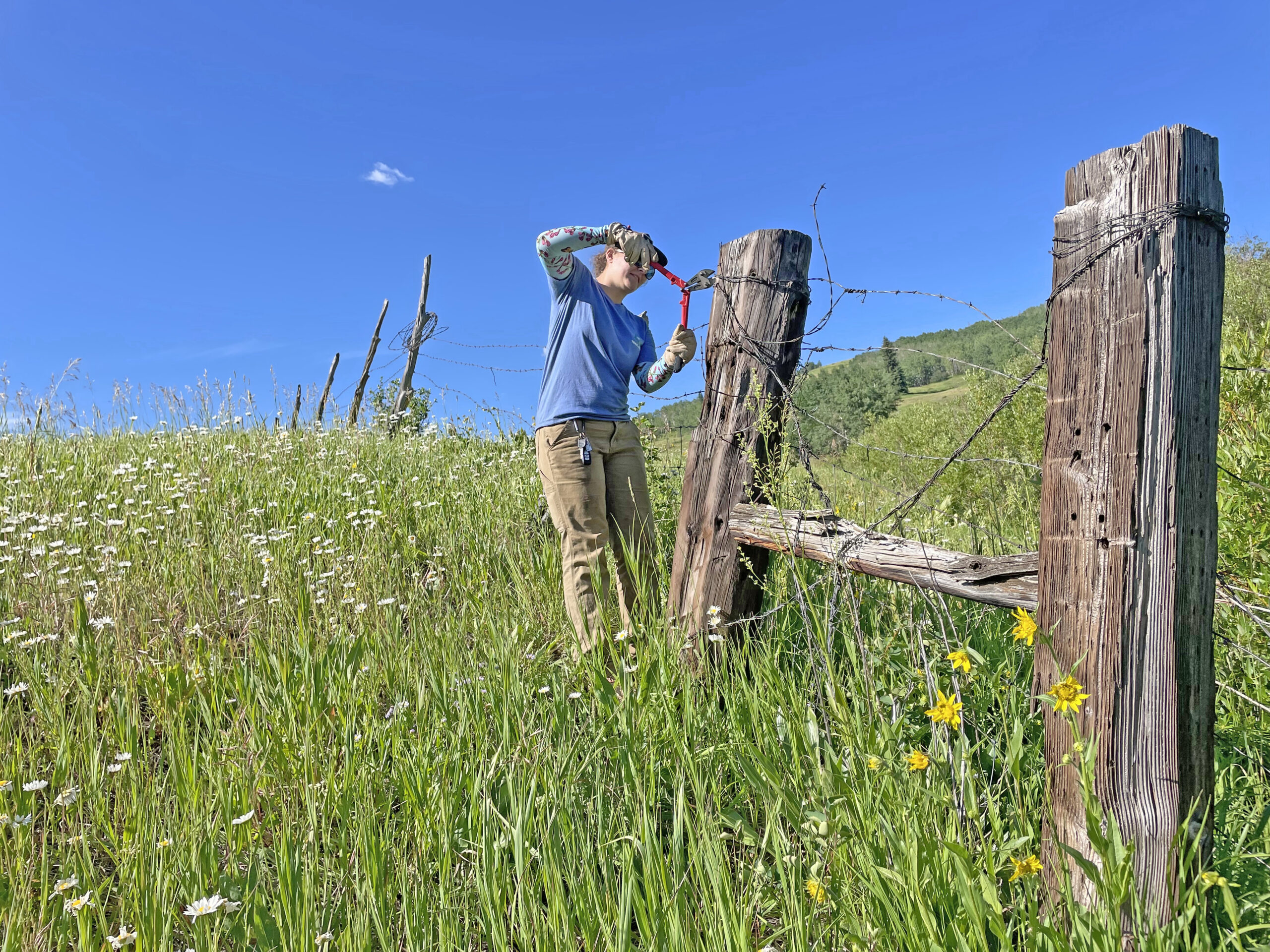
A single trail can start on town open space, cross BLM land, and connect to Forest Service land, all in the space of a few miles. The impacts, erosion, trash, social trails, fire risk, do not stop at those boundaries either. That is the gap VVMTA’s Trails and Stewardship Crew was built to fill.
Eight Members, Twice the Ground Covered
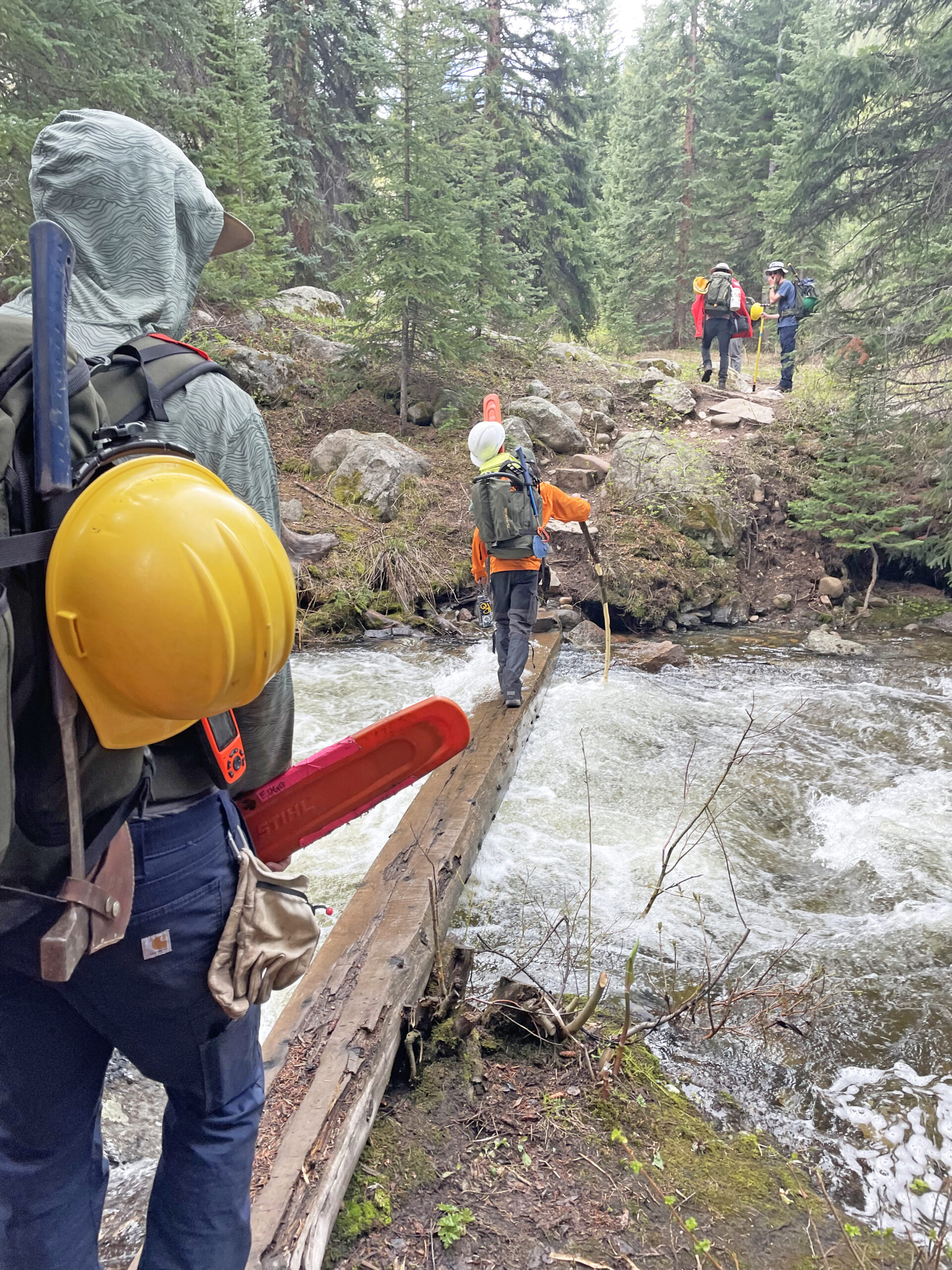
What changed in 2026 is capacity. The crew grew from four to six members in past seasons to eight, giving VVMTA enough bandwidth to run major trail projects and broader public land stewardship at the same time, not one instead of the other. It does not dilute the trail work. It actually strengthens it. That is what the split-crew scene above actually looks like on the ground: four people caring for our trails, four people cleaning, restoring, and closing impacts.
A GOCO (Great Outdoors Colorado) grant secured with Eagle County in 2025 helped fund that expansion, including removing over 1,500 lbs of trash from the Colorado River Road and Gypsum Creek recreation areas. It is a small example of a much bigger shift: VVMTA now functions as something close to a countywide open space and trails department, moving wherever the work is needed most.
The Trails and Stewardship Crew’s Impact Since 2021
| What Got Done | Total (through 2026 season) |
|---|---|
| Field Hours | 32,802 |
| Trail Miles Covered or Worked | 1,245+ |
| Drainage Structures Cleared or Created | 2,288 |
| Downed Trees Removed | 4,559 |
| New Trail Built | 16+ miles |
| Trail Tread Repaired | 11+ miles |
| Trash Removed | 9+ tons |
| Social Trails Closed | 144 |
That foundation is not slowing down. This season alone, the crew has already logged more than 91 miles of trail work, patrolled 68 miles of public land, removed 301 downed trees and 1,562 pounds of trash, and rehabilitated 15 damaged campsites and fire rings, work that would not have shown up on this list five years ago.
“Our community remains safe and beautiful because of the grit, sweat, and tireless hard work your team invests in the field. The VVMTA continues to be an essential resource for our land managers and a champion for our outdoors.”
Eagle County Board of County Commissioners
Letter of thanks following the Colorado River Road cleanup, June 2026
Trails are still the center of this crew’s work and now the crew has the capacity to care for the full landscape around the trails we love, dispersed camping, fire rings, damaged riparian areas, trailhead conditions, and public land use that crosses jurisdiction after jurisdiction. Eagle County’s public lands need people who show up for all of it. Your support keeps this crew in the field, whether that is a donation, a volunteer shift, or simply spreading the word about what this team does. Visit vvmta.org/donate to help keep the crew growing.
Frequently Asked Questions About VVMTA’s Trails and Stewardship Crew
What does VVMTA’s Trails and Stewardship Crew actually do?
The crew builds and maintains trails, including bridges, reroutes, tree clearing, and drainage work, while also patrolling public lands, restoring damaged campsites, posting fire restriction signage, and removing trash from river corridors and trailheads. Learn more about the program at vvmta.org/trailconservationcrew.
Why did the crew expand beyond trail maintenance?
Recreation use in Eagle County has grown faster than the staff and budgets available to manage it. Land managers across the U.S. Forest Service, Bureau of Land Management, and local open space departments do not have the capacity to keep up alone. VVMTA’s crew grew to eight members in 2026 specifically to fill that gap, without stepping away from the trail work it was already known for.
How is the Trails and Stewardship Crew different from a typical trail crew?
Most trail crews stay within a single land manager’s boundary. VVMTA’s crew works across jurisdictions, on Forest Service, BLM, county, and municipal land alike, because the recreation impacts it responds to are not limited by those boundaries either. That flexibility is what lets it function like a countywide stewardship team rather than a single-trail maintenance crew.
How can I support the Trails and Stewardship Crew?
Donations directly fund crew wages, tools, and equipment for both trail construction and stewardship work. Volunteers are also always welcome through VVMTA’s broader crew programs. Visit vvmta.org/volunteer or vvmta.org/donate to get involved.