Half a Century of Caring for Eagles Nest Wilderness
President Gerald Ford signed the Eagles Nest Wilderness designation into law after a twelve year fight led by local citizens, including the late Bill Mounsey, who walked the boundary of what would become this protected landscape long before it had any legal protection at all. That same persistence still drives wilderness stewardship in Eagle County today, and it is worth pausing on what fifty years of protection actually means for the trails so many of us love.
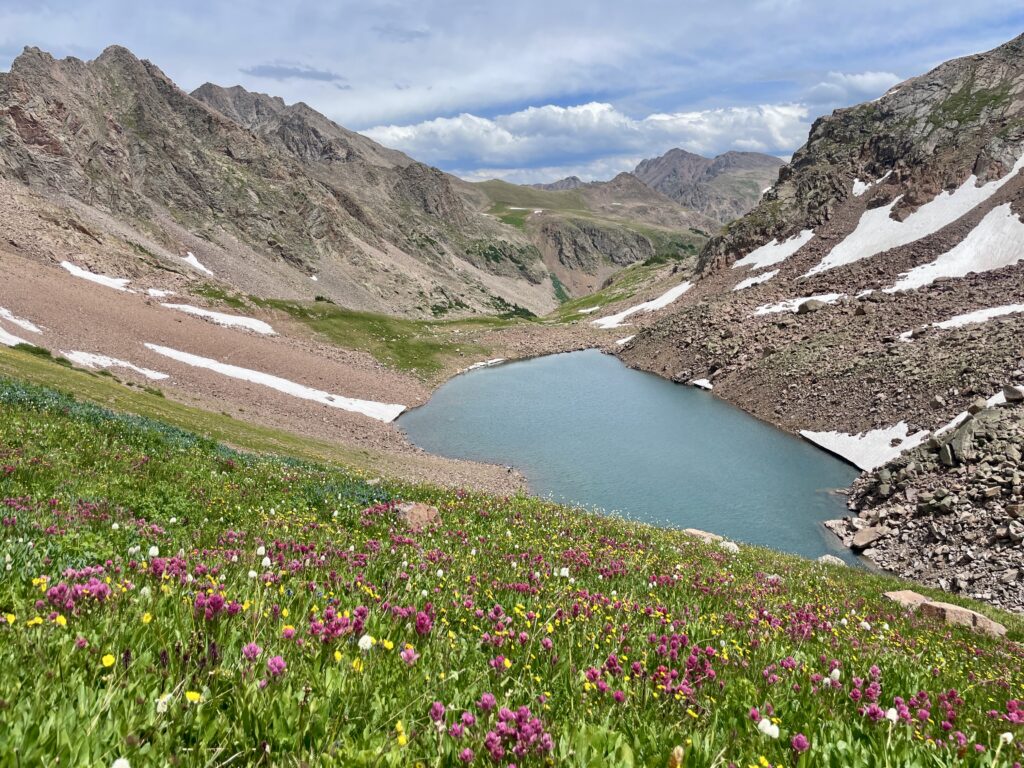
On July 12, 2026, a crowd gathered in EagleVail to mark a milestone fifty years in the making. Eagle Summit Wilderness Alliance hosted a celebration honoring the golden anniversary of Eagles Nest Wilderness, the rugged, high alpine landscape that has protected nearly 135,000 acres of the Gore Range since 1976. Vail Valley Mountain Trails Alliance (VVMTA) was proud to stand alongside our partners and neighbors that day, and if the news passed you by, we wanted to make sure you heard it from us too.
Eagle County is home to three designated wilderness areas: Eagles Nest, Holy Cross, and Flat Tops. This piece centers on the Eagles Nest anniversary, but the fuller story of caring for these places includes Holy Cross Wilderness too, since VVMTA’s wilderness work spans both.
Way More Than a Bike Advocacy Group
VVMTA is sometimes perceived as a mountain bike advocacy organization. That perception is wrong and misses the bigger picture and the actual work we do on the ground. Wilderness trails are a clear example of why: bikes are not allowed in wilderness, and we do not believe they should be. Yet caring for these trails, the ones you can only reach on foot, on skis, or on horseback, is one of the clearest expressions of who VVMTA actually is.
What Wilderness Actually Protects
The Wilderness Act of 1964 defines wilderness as land where the earth and its community of life remain largely untouched by permanent development, where visitors pass through but do not remain. Land managers like the U.S. Forest Service (USFS) simplify this into five qualities: a landscape that is natural, untrammeled, undeveloped, offers solitude or primitive recreation, and holds other features of scientific or historic value.
Inside Eagles Nest and Holy Cross Wilderness, that protection means no permanent roads, no commercial enterprise, and no motorized or mechanized equipment of any kind, including bikes, chainsaws, and drones. It also means the maintenance work looks different. VVMTA crews and volunteers use crosscut saws and hand tools instead of chainsaws, because that is what true wilderness stewardship requires.
Four Ways VVMTA Cares for Eagles Nest and Holy Cross Wilderness
VVMTA’s wilderness stewardship runs through four programs, and each one reaches these trails in a different way.
| Program | Years | Trail Reach | Impact |
|---|---|---|---|
| Adopt A Trail | 2018 to 2025 | 11 wilderness trails | Approximately 4,300 volunteer hours, 979+ volunteers |
| Trails and Stewardship Crew | 2021 to 2026 | 7 wilderness trails | Approximately 625 hours of trail work and restoration |
| Trail Ambassadors | 2024 to 2026 (year to date) | Approximately 20 wilderness trailheads and trails | 670.5 hours, 3,619 people engaged |
| Soul Dirt | 2024 | Cross Creek Trail in the Holy Cross Wilderness | 7 Latino/Hispanic participants, 26 hour backpacking trip |
Together, these programs account for roughly 5,596 hours of wilderness stewardship, more than 3,600 public contacts, and numerous wilderness trails supported through volunteer adoption alone.
Adopt A Trail
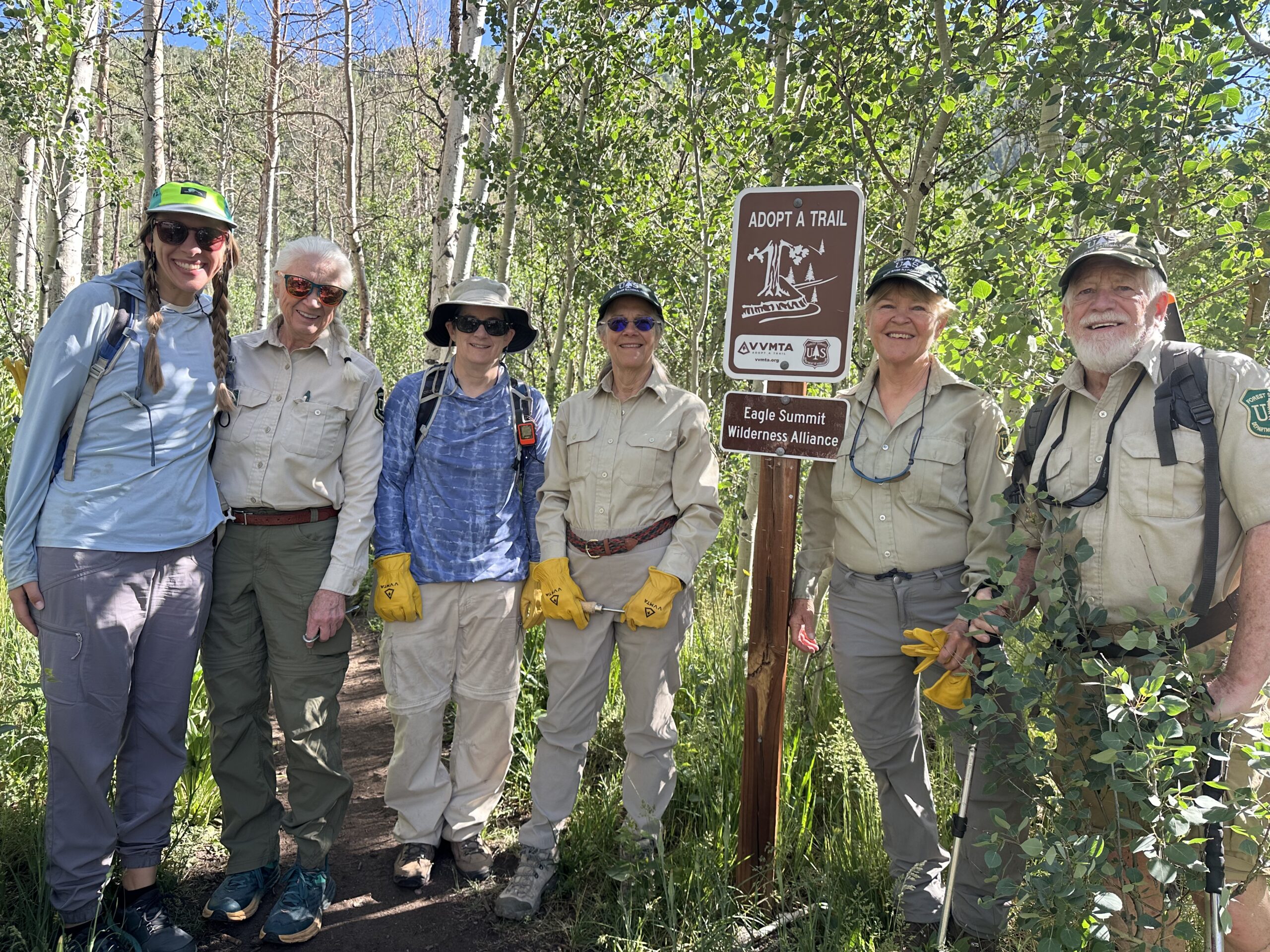
Since 2016, volunteer teams have adopted eleven wilderness trails, including but not limited to Booth Lake, Deluge Lake, Gore Creek, and Cross Creek. Eagle Summit Wilderness Alliance is one of these Adopt A Trail partners, helping maintain Deluge Lake and Gore Creek, both beloved trails into Eagles Nest Wilderness.
Trails and Stewardship Crew
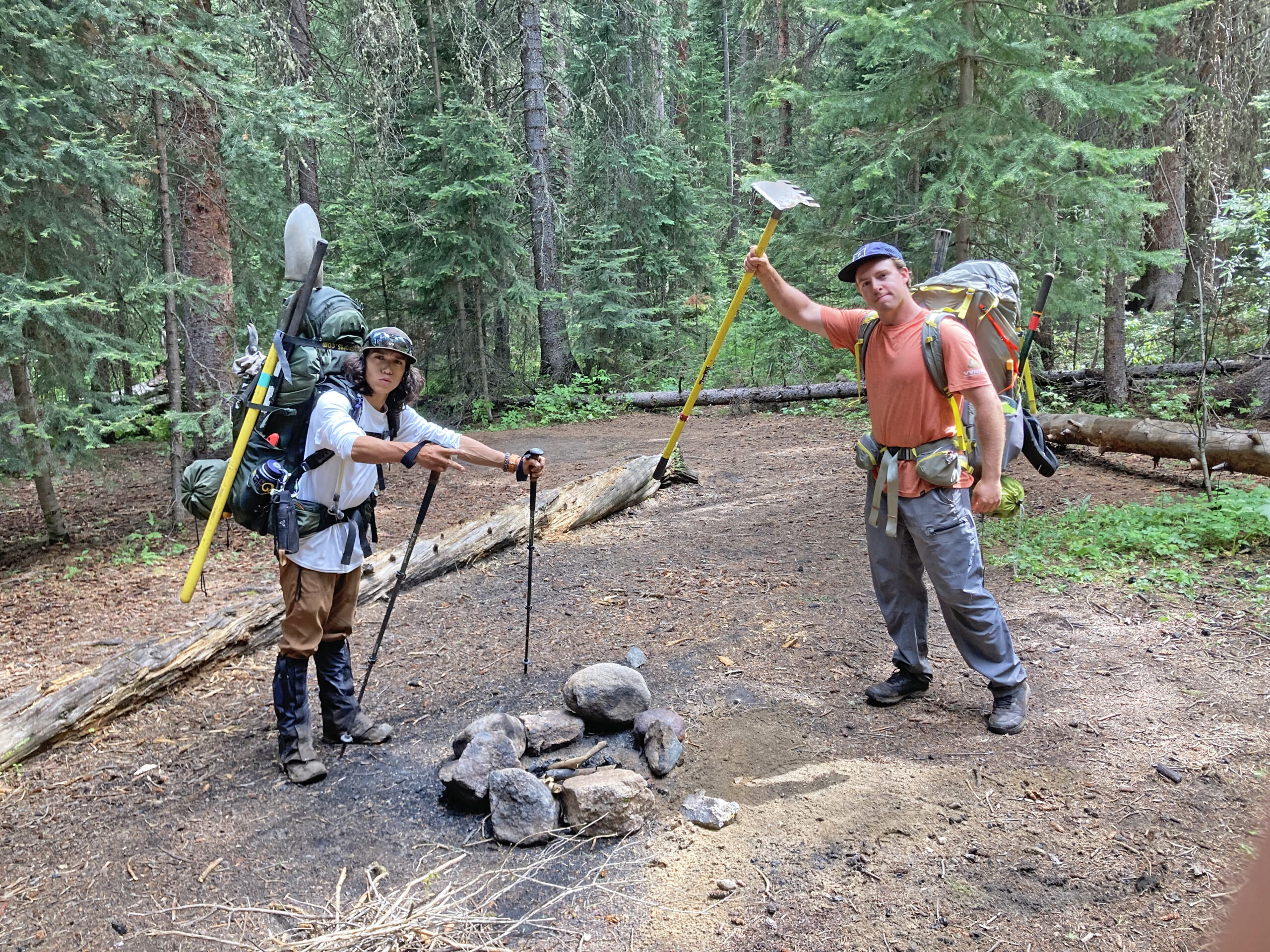
Wilderness maintenance is slower by design. Crews use crosscut saws and hand tools to repair tread, close social trails, and reduce the damage that concentrated foot traffic leaves behind. As one crew member put it while working Cross Creek in 2023:
“Let’s move down this valley like a glacier, not fast, but steady.”
Bay, Trails and Stewardship Crew
Trail Ambassadors
From 2024 through this summer, Trail Ambassadors have logged 670.5 hours across roughly twenty wilderness trail locations, talking with more than 3,600 visitors about Leave No Trace, dog leash rules, fire restrictions, and camping regulations. Emily Carney, a former Trail Ambassador who has covered Fancy Pass and Pitkin Creek, said one exchange stuck with her: “It was just really great to have people holding themselves accountable to the wilderness regulations.”
Ellen Miller, a longtime volunteer and Soul Dirt hike leader, described what keeps her coming back: “Talking with very nice curious visitors to the Vail Valley about the trail, Wilderness and the VVMTA, and that trails are for everyone… talking about being stewards of the trails.”
Soul Dirt
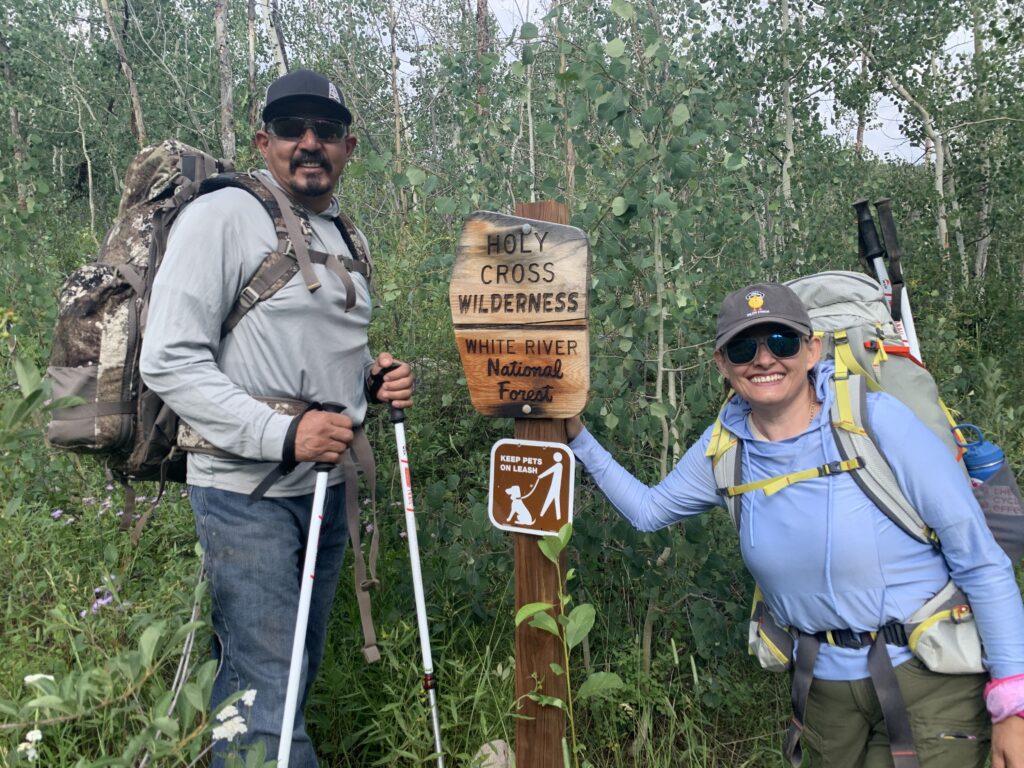
Wilderness access is not equal for everyone, and Soul Dirt exists to close that gap. In July 2024, VVMTA partnered with Exploremos to lead seven participants on a free, 26 hour backpacking trip into Holy Cross Wilderness through Cross Creek, providing gear, food, and outdoor skills instruction along the way.
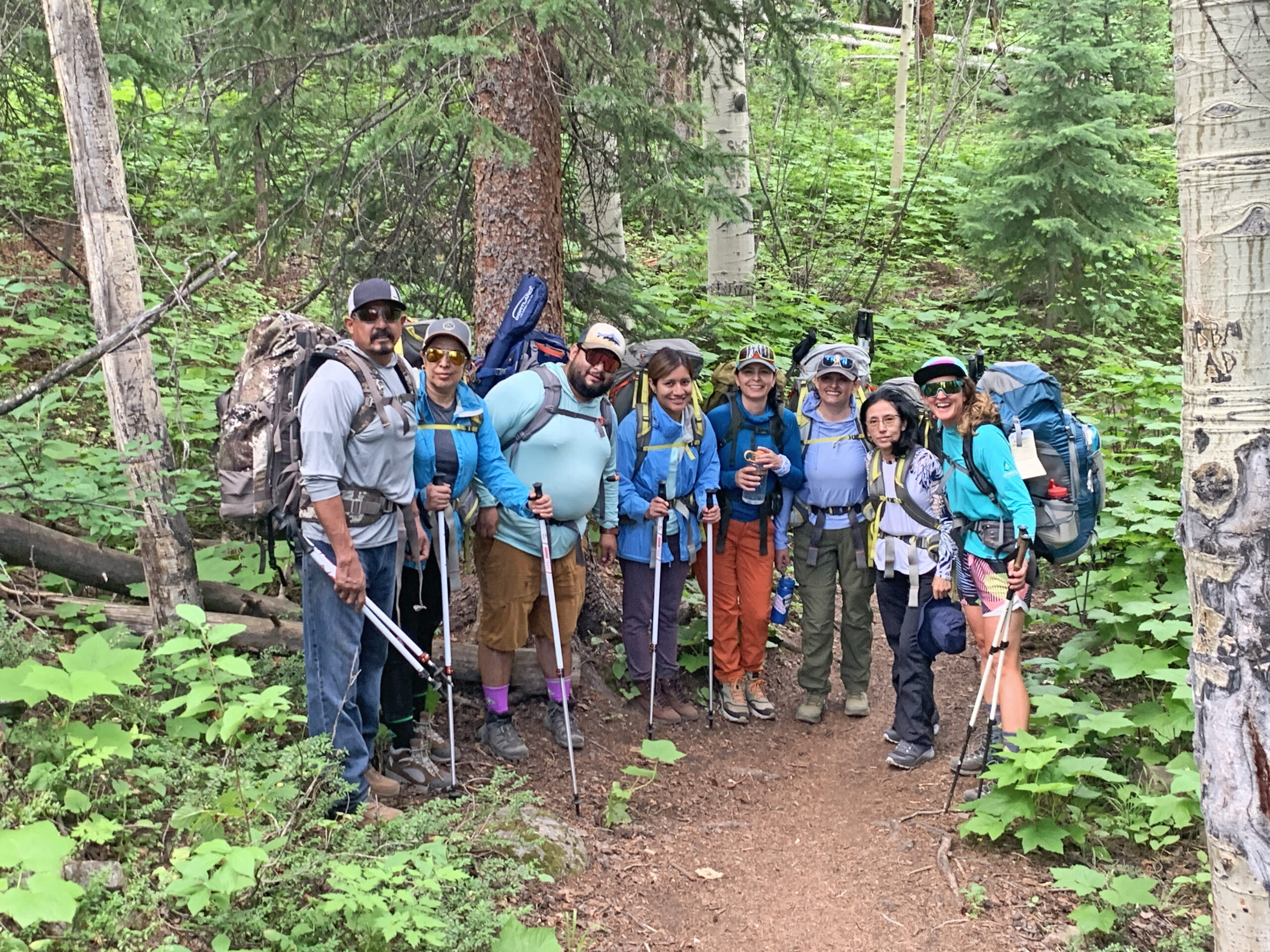
One participant, Angelica Aceves, said the trip taught her about new plants and landscapes, how to use camping gear, and the value of doing it together with others.
A Community Effort
VVMTA does not do this work alone. Eagle Summit Wilderness Alliance patrols and maintains trails as an Adopt A Trail partner and runs its own volunteer wilderness ranger program. About 200 active ESWA volunteers patrol more than 400 miles of designated wilderness trail across Eagle and Summit County each year. The Eagle-Holy Cross Ranger District’s wilderness crew clears trees, monitors conditions, and educates visitors across these same trails. Together, these partnerships form the backbone of what keeps Eagles Nest and Holy Cross Wilderness protected for the next fifty years.
Fifty years of protection is not something that maintains itself. If you want to be part of what keeps these trails wild, whether that means adopting a trail, joining a stewardship crew, volunteering as a Trail Ambassador, or supporting Soul Dirt, VVMTA has a way for you to get involved.
Frequently Asked Questions
What is the difference between Eagles Nest Wilderness and Holy Cross Wilderness?
Eagles Nest Wilderness spans nearly 135,000 acres in the Gore Range and was designated in 1976. Holy Cross Wilderness spans roughly 123,000 acres near Vail, Minturn, and Leadville and was designated in 1980. Both are managed by the White River National Forest and both prohibit motorized and mechanized use, including bikes. VVMTA supports stewardship on trails in both areas through Adopt A Trail and the Trails and Stewardship Crew.
Are mountain bikes allowed in Eagles Nest or Holy Cross Wilderness?
No. The Wilderness Act of 1964 prohibits bikes, along with all motorized and mechanized equipment, inside any designated wilderness area. VVMTA supports this restriction and focuses its wilderness stewardship work on trails accessed by foot, ski, or horseback instead.
How can I volunteer on a wilderness trail in Eagle County?
VVMTA offers several ways to get involved, including Adopt A Trail, the Trail Ambassador program, and other volunteer opportunities. No experience is required to start, and training is provided for all wilderness-specific volunteer roles.
What does VVMTA’s Soul Dirt program do in wilderness areas?
Soul Dirt provides free, guided backpacking and hiking trips into wilderness areas, removing cost and experience barriers for people who might not otherwise access these trails. Trips include gear, food, and outdoor skills instruction. Learn more about Soul Dirt or how to partner with the program.