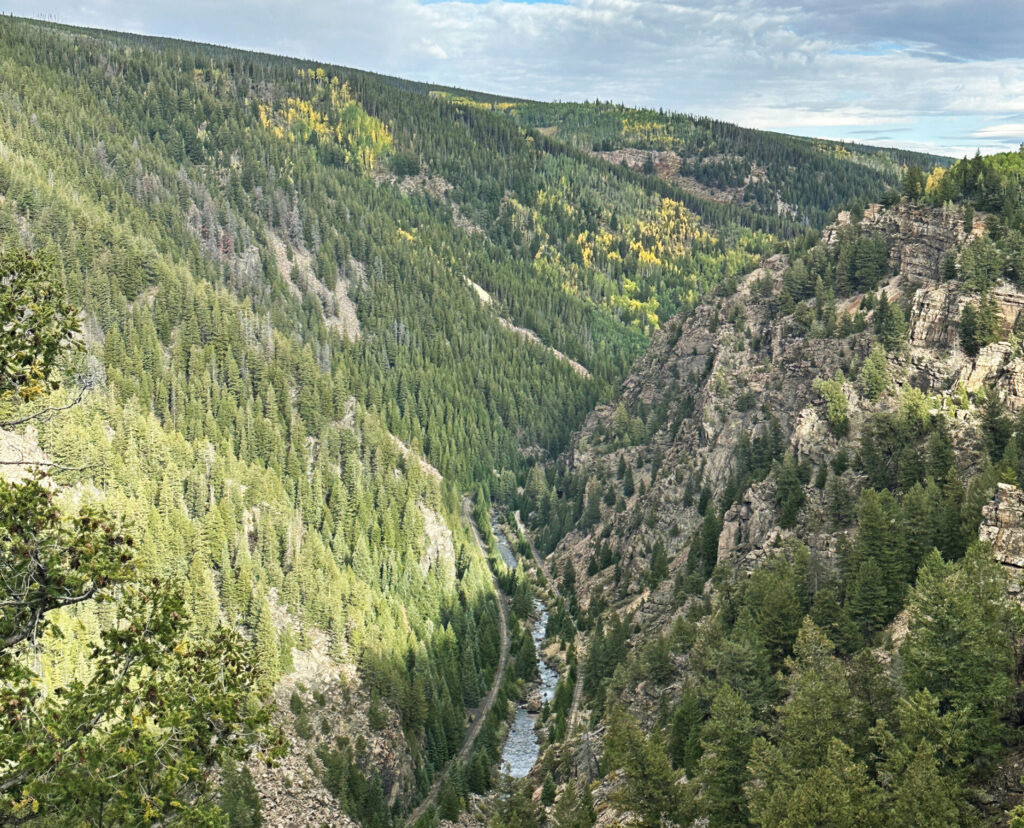
30 Years Later, Tennessee Pass Gets a Second Look
I was recently at a social event and engaged in a conversation with a few interested folks about the Tennessee Pass rail corridor. It was a diverse group with different ideas and interests in future visions for the rail line. Ideas ranged from a rail to trail conversion, passenger rail, freight, rail with trail, using trains for river and bicycle adventure shuttles, and more.
While each of these ideas has its own level of feasibility, along with positives and negatives, for now they can only be topics of conversation in a social setting. None of these ideas will realistically be explored or brought to life under the current situation and ownership of the corridor by Union Pacific. There is no public process to discuss the future of the corridor that runs through our communities.
So what can bring these ideas to the table for meaningful consideration? The State of Colorado and our local communities can because Union Pacific is not going to put the time and effort into a community focused process. It will take state leadership and strong advocacy from the communities along the corridor to bring Union Pacific to the table.
In 1996, this public process happened. The State of Colorado, through Colorado State Parks and with funding from Great Outdoors Colorado (GOCO), led a feasibility study with Union Pacific’s support. This study, which exceeded 300 pages, engaged communities from Cañon City to Gypsum to explore railbanking and a rail to trail conversion. It was widely supported by communities and advanced far beyond casual conversation. Governor Roy Romer and the chairman of Union Pacific even signed a letter of intent to continue working toward the concept.
What’s Changed Since Then
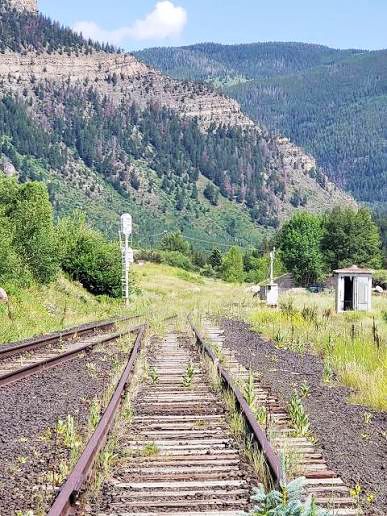
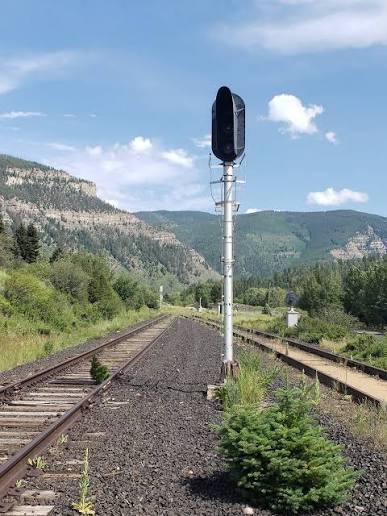
Two things stood in the way back then. The Moffat Tunnel line was congested following Union Pacific’s merger with Southern Pacific, and Tennessee Pass was listed in STRACNET, the federal network of rail lines considered important to national defense. Nearly 30 years later, Union Pacific has signed a new long-term lease on the Moffat Tunnel with plenty of capacity to spare, and Tennessee Pass has been removed from STRACNET entirely. No freight train has crossed the pass since August 23, 1997.
The same opportunity to revive the conversation about the future of the corridor is lining up again. Union Pacific is now seeking a merger with Norfolk Southern, a deal that would create the country’s first single-line railroad connecting both coasts. Just as it did in 1996, the merger review opens the opportunity for public comment and gives Colorado a real opening to ask Union Pacific back to the table.
| Then vs. Now | 1996 | 2026 |
|---|---|---|
| STRACNET status | Included | Removed |
| Moffat Tunnel line | Capacity concerns | New long-term lease |
| Feasibility study | Completed, 300+ pages | Needs updating, renewed community engagement |
| State and railroad commitment | Signed letter of intent | Advocating for history to repeat itself |
| Corridor status | Freight active until 1997 | Dormant since 1997 |
Community Engagement
So how do we meaningfully explore the community needs and benefits this corridor could provide? The process must begin with state led planning and community engagement. The State of Colorado should bring Union Pacific, corridor communities, local governments, state and federal agencies, residents, and community organizations together to update the 1996 feasibility study and evaluate the realistic options for different sections of the corridor. That process should consider passenger rail, freight, rail to trail, rail with trail, public crossings, community access, watershed protection, construction costs, ownership, management, and long term maintenance. It would not predetermine the future of the corridor, but it would finally give communities a meaningful role in exploring what that future could be.
Railbanking Is The Answer
Railbanking is a federal process that keeps an inactive rail corridor intact for possible future rail use, while allowing it to serve the public as a trail in the meantime. It does not abandon the corridor, and it does not rule out a return to rail service down the road. Agreements, environmental review, funding, and community input would all still be required before a single foot of trail gets built. Rails to Trails Conservancy has more on how railbanking works for anyone who wants the full picture.
Railbanking would benefit Union Pacific because it would keep the corridor intact and preserve the possibility of returning it to rail service in the future, including potential passenger rail if demand, funding, planning, and operating agreements eventually made it feasible. It would allow the corridor to provide a public benefit now while protecting long term transportation options. Railbanking would not automatically create a trail or determine the future of every section because planning, community engagement, environmental review, funding, design, and management agreements would still be required.
A Corridor Worth Protecting
VVMTA is not shy about where it stands. We are advocating for a rail to trail conversion along the full 178-mile corridor, and we believe it could become a world-class asset for the communities it passes through. We also recognize that not every mile makes sense for the same use, and that other needs deserve a seat at the table too.
Railbanking the Tennessee Pass corridor would mean far more than advancing a rail to trail project.
There are many people locally, regionally, and nationally who would rather see passenger rail on portions of this corridor. For example, a passenger train from Eagle County Regional Airport to Minturn, with stops in Eagle, Edwards, and Avon, could make sense, especially with the Eagle Valley Trail nearing completion and already providing a trail option through much of that area. Passenger rail may not make sense from an economic, transportation, and safety perspective between Minturn and Leadville. The railroad’s steep grades, sharp curves, winter conditions, and history of serious accidents would create significant operational and safety challenges.
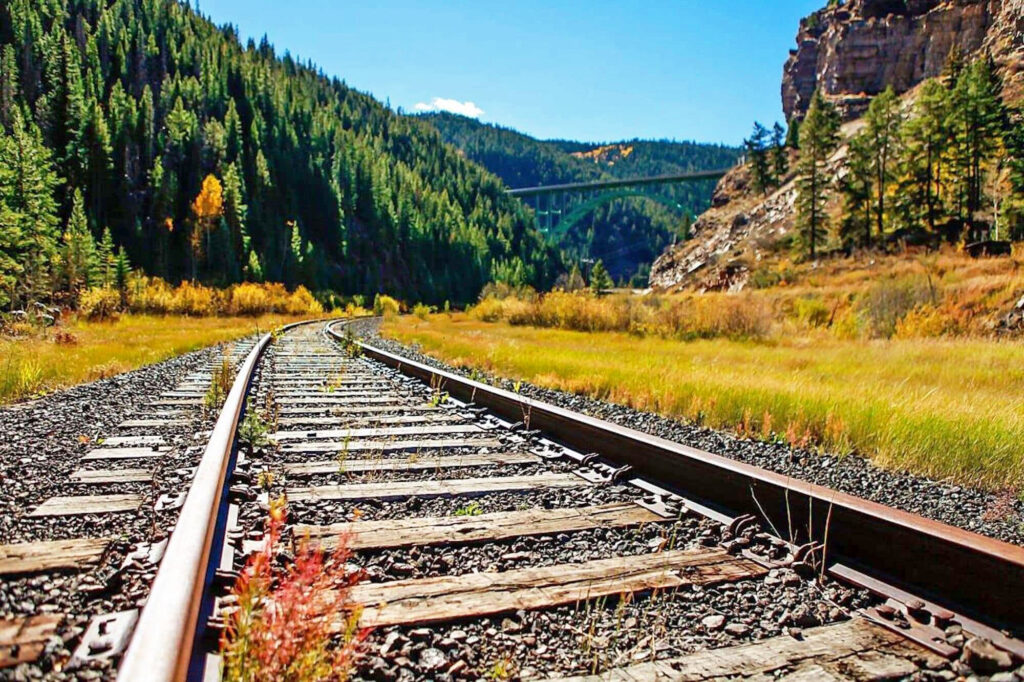
That approximately 36 mile section of rail could instead become a world class rail to trail destination in itself. Imagine the experience and views while winding through the Eagle River and Gilman canyons, passing through Camp Hale, climbing up and over Tennessee Pass, and following the headwaters of the Eagle River. The route would provide expansive views of Colorado’s tallest fourteeners, Mount Elbert and Mount Massive, while connecting the historic mountain communities of Minturn, Red Cliff, and Leadville. It would also create opportunities to recognize the Ute people and interpret the corridor’s railroad, mining, and 10th Mountain Division history. All while opening public access to fishing, whitewater kayaking, climbing, and many potential recreation uses on the rail to trail such as cycling, walking, running, and even nordic skiing.
The same grades that create challenges for rail operations are remarkably gentle by mountain trail standards. The approximately 21.7 miles between Minturn and Tennessee Pass include about 2,360 feet of elevation gain or loss, depending on the direction traveled. That equates to an average grade of approximately 2 percent, with some sections closer to 3 percent. I am not sure we have a single dirt surface trail in Eagle County that is that mellow. From Tennessee Pass to Leadville, the corridor continues for approximately 14.1 miles with about 560 feet of climbing and 630 feet of descending, with an average grade of approximately 1 to 1.5 percent.
How You Can Help Right Now
This is where our advocacy begins. We are asking residents and local governments to urge the State of Colorado to secure Union Pacific’s participation in a renewed, state led planning process. That process should identify what communities along the corridor want, update the 1996 feasibility study, evaluate the realistic options for different sections, and establish a path toward railbanking and public trail use where appropriate. You can help by submitting the Bicycle Colorado action alert to the Surface Transportation Board, writing to our county commissioners, or sending a letter to Governor Polis. Our grassroots effort is what it will take to create momentum and bring this once in a generation opportunity to life.
Visit the Tennessee Pass action page to send a prepared message to decision-makers now.
Frequently Asked Questions
Why is there an opportunity for Tennessee Pass right now?
Union Pacific’s proposed merger with Norfolk Southern is under review by the Surface Transportation Board, the same kind of review that opened the door to the 1996 feasibility study. Local governments along the corridor are already weighing in, including Chaffee County commissioners, who voted unanimously to submit a formal comment asking the STB to consider the corridor’s trail potential. The request does not approve a trail or force Union Pacific to participate, it simply asks for the conversation to happen.
Does this mean passenger rail is off the table?
No. Railbanking is designed to preserve the option for future rail use, not eliminate it. The bigger question is whether passenger service would need freight to help fund it, since that would bring hazardous material risk to the Eagle and Arkansas river headwaters. An updated feasibility study is the best way to sort out which segments make sense for which use.
What would an updated feasibility study actually look at?
It would reexamine railbanking requirements, current ownership and access, bridges and other infrastructure, trail design and safety, connections to nearby communities and public lands, and the construction costs and funding sources involved. The State of Colorado would be best positioned to lead the study, working alongside corridor counties, CDOT, and Union Pacific. Heart of the Rockies Trail has more background on the original 1996 study this work would build on.
How can I get involved?
Two things make the biggest difference right now, contributing to the feasibility study fund and submitting a comment to the Surface Transportation Board before the public comment period closes. Both take just a few minutes through the Tennessee Pass action page, and every voice adds to the case that this corridor deserves a real conversation about its future.